The 2026 Nomad Budget Reality Check: Where Your Money Actually Goes (and How to Stretch It)
Let’s be completely honest for a second: the era of the “roaming free” digital nomad lifestyle has taken a bit of a hit to the hip pocket.
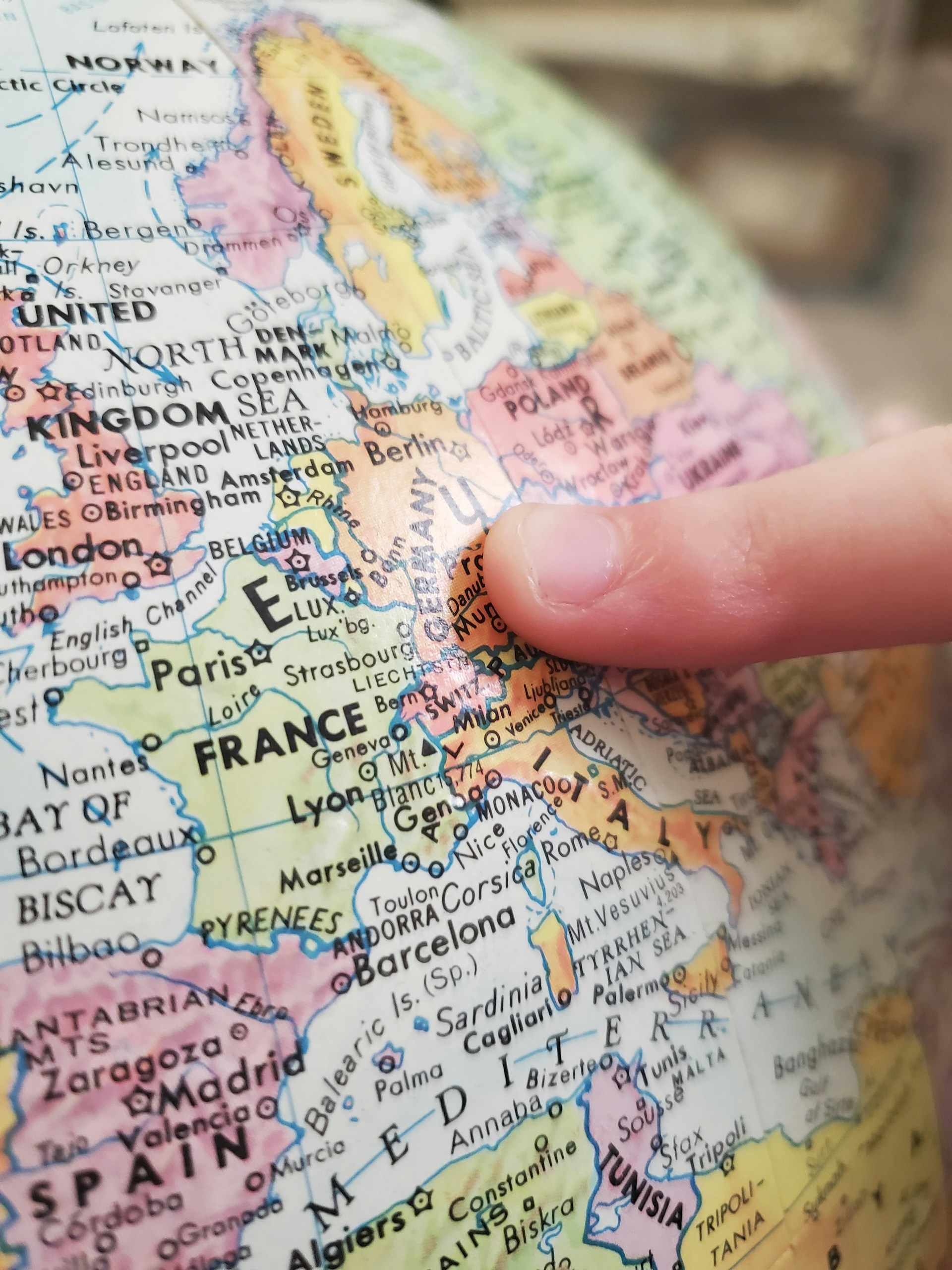
A few years ago, you could spin a globe, drop your pin anywhere in Southeast Asia or Eastern Europe, and live like royalty on a basic freelancing income. Today, rising costs globally mean we all have to be a little smarter about how we play the game.
If your search history looks anything like “cost of living Europe” or “cheapest countries for digital nomads,” you aren’t alone. It’s the single biggest topic in the remote work community right now. But optimizing your budget doesn’t mean you have to lock yourself in a tiny room or stop exploring. It just means changing how and where you look for value.
Here is the real, unfiltered look at the digital nomad budget landscape and how to make your money go further.
The 2026 Reality Check: The Tale of Two Europes
When people search for the “cost of living in Europe,” they often forget that Europe isn’t a single financial block. It’s a spectrum.
If you try to set up camp in the center of Barcelona, Madrid, or Lisbon, a €2,000 monthly budget is going to feel incredibly tight. Rent alone in major Western European hubs has climbed significantly, forcing nomads to look elsewhere.
But if you slide your gaze over to Central and Eastern Europe, that exact same €2,000 doesn’t just cover the basics—it hands you a genuinely abundant lifestyle. You can easily afford a great private apartment, regular meals out, a coworking desk, and plenty of weekend adventures.
Real Numbers: The Cheapest European Hotspots
If you want the safety, infrastructure, and culture of Europe without the throat-cutting price tags, these are the regions delivering the best value right now:
-
- Bulgaria (Bansko or Sofia): A massive favorite for budget-conscious remote workers. In the mountain town of Bansko, you can get by comfortably on $1,000 to $1,200 per month all-in. Bonus: Bulgaria has a flat 10% personal income tax, which is one of the lowest in the EU.
- Georgia (Tbilisi): Outside the official EU block but incredibly accessible. Citizens from over 90 countries can stay for a full year visa-free. The cost of living hovers around $800 to $1,500 a month, the internet is fast, and the community is thriving.
- Romania (Bucharest or Cluj-Napoca): Blazing fast internet, beautiful countryside, and a monthly budget of around $1,000 to $1,800.

Inner City vs. Rural: The Ultimate Location Hack
One of the quickest ways to fix a bleeding budget is to rethink where you drop your bags inside a country.
The price gap between living inner-city versus heading out into regional areas has never been wider. Let’s look at the trade-offs:
| Feature | Inner City (e.g., Lisbon, Medellin) | Regional/Rural (e.g., Small Town Spain, Regional Italy) |
| Average Rent | $1,000 – $1,800+ / mo | $400 – $700 / mo |
| Vibe | High energy, crowded, massive nomad meetups | Slow lifestyle, authentic local culture, tight-knit community |
| Hidden Costs | Expensive cafes, high transport fees, temptation to overspend | Need to plan groceries, potentially lower initial english-proficiency |
| The Catch | You pay a premium for the “nomad bubble” | You need a platform that guarantees good WiFi and community |
The smart play? The “Hub and Spoke” method. Instead of paying top dollar to live in a capital city center, base yourself in a regional town or a smaller secondary city. You get the lower cost of living, authentic local connection, and space to breathe, while remaining just a short train or bus ride away from the major city hubs when you want a dose of high energy.
Global Value: Top Affordable Nomad Destinations
If you’re willing to look beyond Europe, Latin America and Southeast Asia still offer incredible entry points with low income thresholds for visas.
-
- Colombia: Holds one of the lowest income thresholds for a digital nomad visa globally (around $1,250–$1,400/month). Cities like Medellín or smaller spots in the Coffee Triangle let you live beautifully for $800 to $1,200 a month.
- Brazil: Their nomad visa requires around $1,500/month in foreign income. Stepping away from Rio’s tourist center into spots like Florianópolis gives you incredible beach culture for a fraction of the price.
- Thailand: Still the reigning king of lifestyle value. While Bangkok has grown up and gotten pricier, places like Chiang Mai or regional coastal towns allow you to live exceptionally well on a modest budget.
3 Rules for Designing a Resilient 2026 Nomad Budget
To transition out of the traditional 9-5 grind without worrying about every cent, you need to stop budgeting like a tourist and start budgeting like a local.
1.Slow down your travel cadence:Save on transit & deposits.
Moving every two weeks is a financial killer. You lose money on flights, trains, and short-term accommodation premiums. Shifting to 30 to 90-day stays unlocks monthly rental discounts (often 30-50% off) and lets you find the local grocery stores and cheap eats.
2.Factor in the ‘Invisible Nomad Costs’:Insurance & Tech redundancy.
A great budget isn’t just rent and food. Always line-item global health insurance, a backup eSIM data plan for when local WiFi dips, and a buffer for co-working spaces if you need a professional setup for client calls.
3.Leverage community-first coliving:Cut out hidden bills.
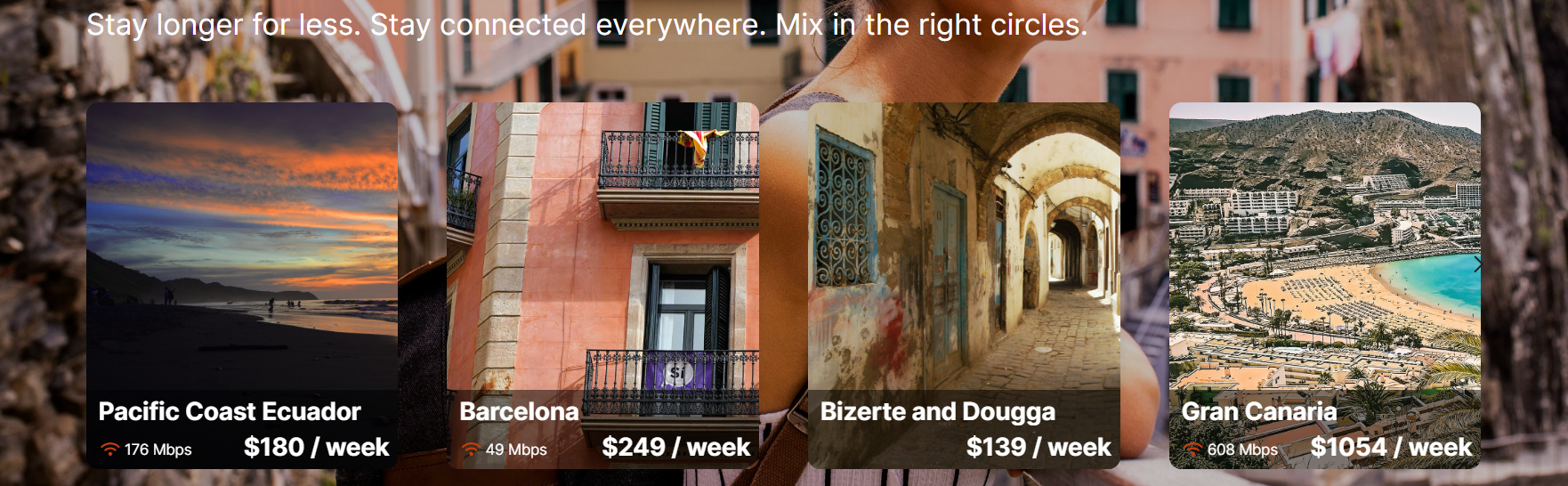
When you book standard short-term holiday rentals, you get hit with cleaning fees, platform service fees, and separate utility bills. Choosing platforms built specifically for nomads bundles your stay, workspace, utilities, and a ready-made community into one predictable monthly number.
The Bottom Line
Optimizing your budget isn’t about restriction; it’s about leveraging your freedom. When you aren’t tied to a specific desk in a specific expensive city, you hold all the cards. By choosing high-value regions, embracing regional gems, and slowing down your pace, you can easily design a life of adventure that costs significantly less than staying at home.