Jet Lag and Travel Burnout: Science-Backed Hacks for Digital Nomads
Your Roaming Rebel Guide
As an aviation nut, ex–international flight attendant, light-sport pilot, and full‑time nomad for the past decade I’ve crossed more time zones than I can count. From red-eye hauls over the Pacific to jet-lagged dawns in Tokyo to Paris, while building a travel tech company on the move.
I am here to share same personal and science based hacks that might help you. I love anything backed by science and fully practical, so let do this!
Here’s a skimmable summary of what you will learn, so you can cut to the chase: (there is a video and podcast also included)
- Jet lag basics: Learn what time zones, cabin pressure, and dry air do to your sleep, hormones, digestion, mood, and focus.
- Hydration hacks: How to stay hydrated on long-haul flights (without overdoing it), reduce headaches and puffiness, and support circulation.
- Time zone tricks: Easy pre-flight and post-landing routines to reset your body clock with light, sleep shifts, food, and caffeine timing.
- In-flight routine: Simple “sip, stretch, and snack smart” moves you can do in your seat to arrive fresher and less foggy.
- Emotional side of roaming: How constant movement, decision overload, and isolation contribute to digital nomad burnout—and how to spot the signs early.
- Slow travel & routines: Using “slow seasons” and repeat daily rituals to feel grounded, even when you change countries often.
- Grounding & nature: Why barefoot time on grass or sand may help calm your nervous system and support better sleep.
- Meditation & micro-zen: 5–10 minute breath and mindfulness practices to reduce stress and anxiety on the road.
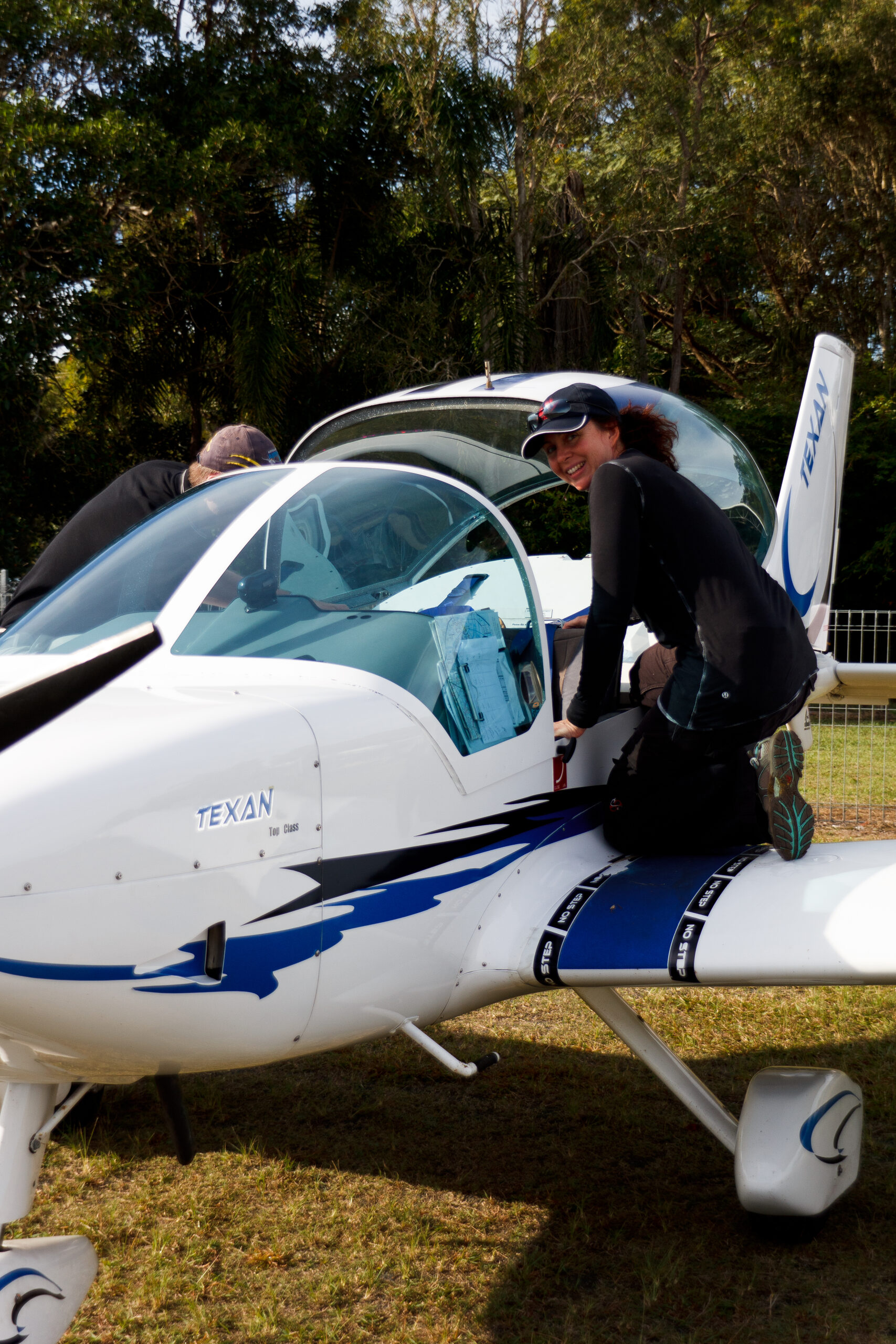
Pic: By Linda A McCall -Flight training
Aviation still sets my heart racing and nothing beats the freedom of flying your own plane.
Or the adventure of taking off on a cross-continent solo motorbike trip, on the open road and off the road—but let me tell you from over 25 years in the air have given me a front-row seat to what long-haul flights, cabin air, and constant relocation really do to your body, brain, and emotions.
Trust me I’ve been the emotional basket case and jet lagged looney! To the point where I didn’t really believe jetlag existed until I left the industry and about three months back on earthly life without flying I realised that things felt more connected and I felt what it really felt like to become grounded. So, this guide blends that lived experience with research-backed strategies you can use anywhere—no fancy gadgets required, just smart habits and a bit of playful discipline.
Did you know… most long-haul passenger jets in 2025 cruise at around 900–1,100 km/h (560–690 mph), which means you’re effectively crossing an entire time zone in less than an hour? Why it matters: your body clock, hormones, and digestion evolved for much slower land-based travel, so this rapid time-zone hopping is a big reason jet lag hits so hard.
Video by Notebook LM
Random Facts “Did you know…
Some high-speed commercial jets like the Boeing 747‑8i can reach top speeds of roughly 1,130 km/h (about 700 mph), and modern fuel‑efficient workhorses like the Boeing 787 still cruise close to 1,100 km/h? Why it matters: these speeds shrink continents into “commutes,” letting digital nomads juggle clients across regions—but they also mean your brain and body get far less adjustment time between radically different light cycles and work schedules.
And did you know… next‑gen business jets such as Bombardier’s Global 8000 are nudging the edge of supersonic, with top speeds around Mach 0.94–0.95 (roughly 1,150–1,200 km/h or 715–745 mph)? Why it matters: these jets make ultra‑long routes like Singapore–Los Angeles or London–Perth feel “shorter,” yet they concentrate sleep disruption, cabin dehydration, and time-shift stress into a single intense hit that you have to proactively manage. So you can quickly see how fast our bodies are going, it’s literally time travel.
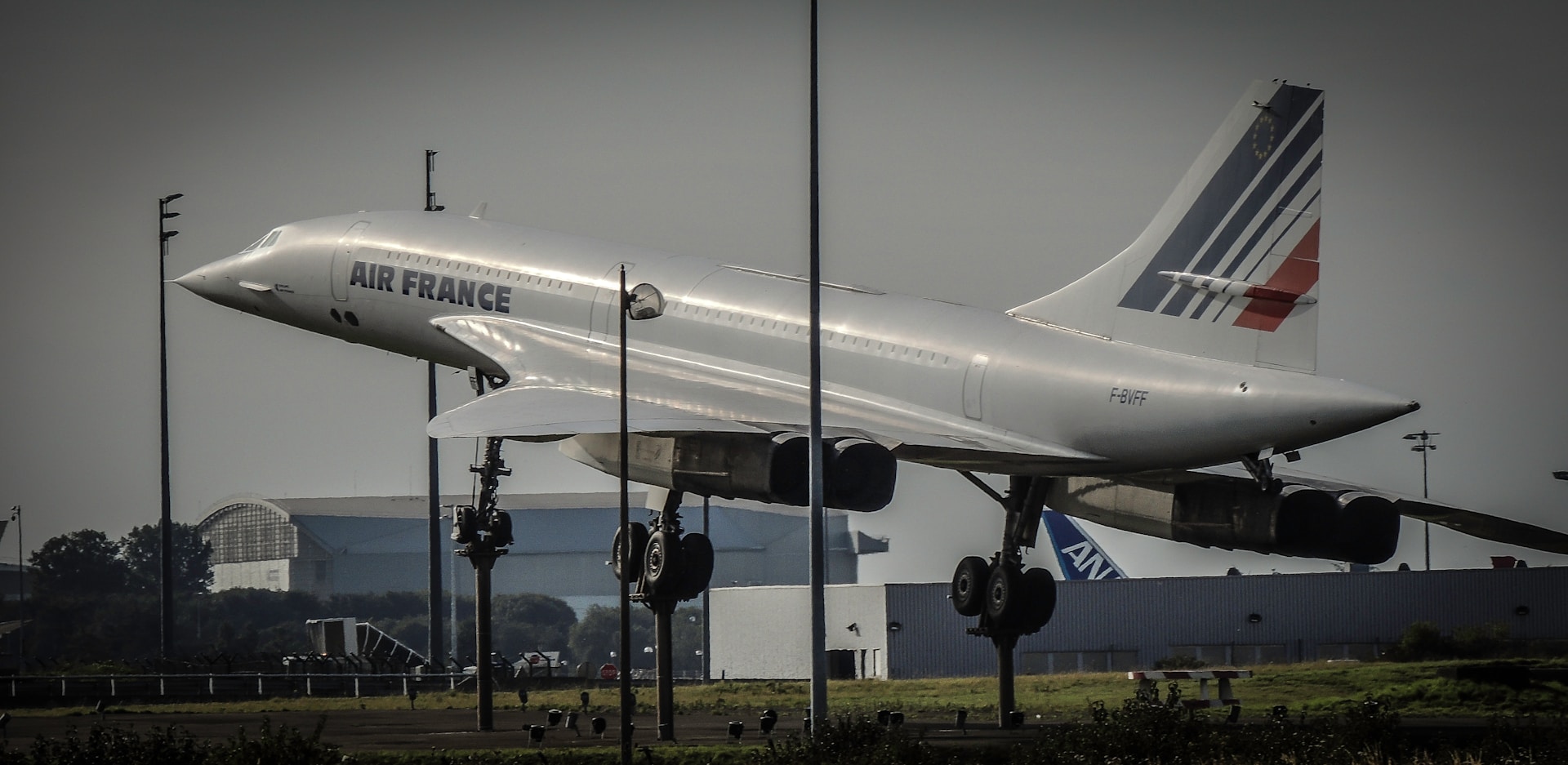
If you are a fan of the Concord that started flying in the 60’s (2nd March 1969) I have added these quick facts so you can see the comparison of speed and what our body goes through. Although not flying anymore it will get back to these speeds once again in the near future. Here are some facts to get your head around these facts and compare it to the Concorde so you can really see. (PS: I’m still kicking myself for not accepting a flight on concorde some years ago while still in aviation)
Did you know… Concorde cruised at Mach 2.04 (roughly 2,180 km/h or 1,350 mph)—more than twice the speed of sound and over double today’s typical jet speeds? Why it matters: at that extreme speed, your body crossed multiple time zones in mere hours with virtually zero adjustment time, making circadian disruption, dehydration, and jet lag exponentially more intense than modern subsonic travel.
And Concorde could fly London to New York in about three hours, versus seven to eight hours on a regular jet? Why it matters: business travelers could complete same-day transatlantic returns, cramming meetings, decisions, and work into a single compressed “hyper-day”—great for productivity but brutal for cognitive overload, sleep disruption, and burnout risk.
Finally Concorde cruised at around 60,000 feet—high enough to see Earth’s curvature—and where cabin air was even drier than normal jets. (Mainstream commercial aircraft travels between 30,000 and 40,000) Why it matters: extreme altitude meant extreme dehydration on top of rapid time-zone shifts, making smart hydration, movement, and recovery routines absolutely essential for anyone flying that fast and that high. It seem that if the aviation industry gets to these speeds again which I believe they will our biggest priority is keep ahead of the curve and take care of our help and wellbeing. This brings me to continue with the major factor of hydration.
Hydration at 30,000 Feet
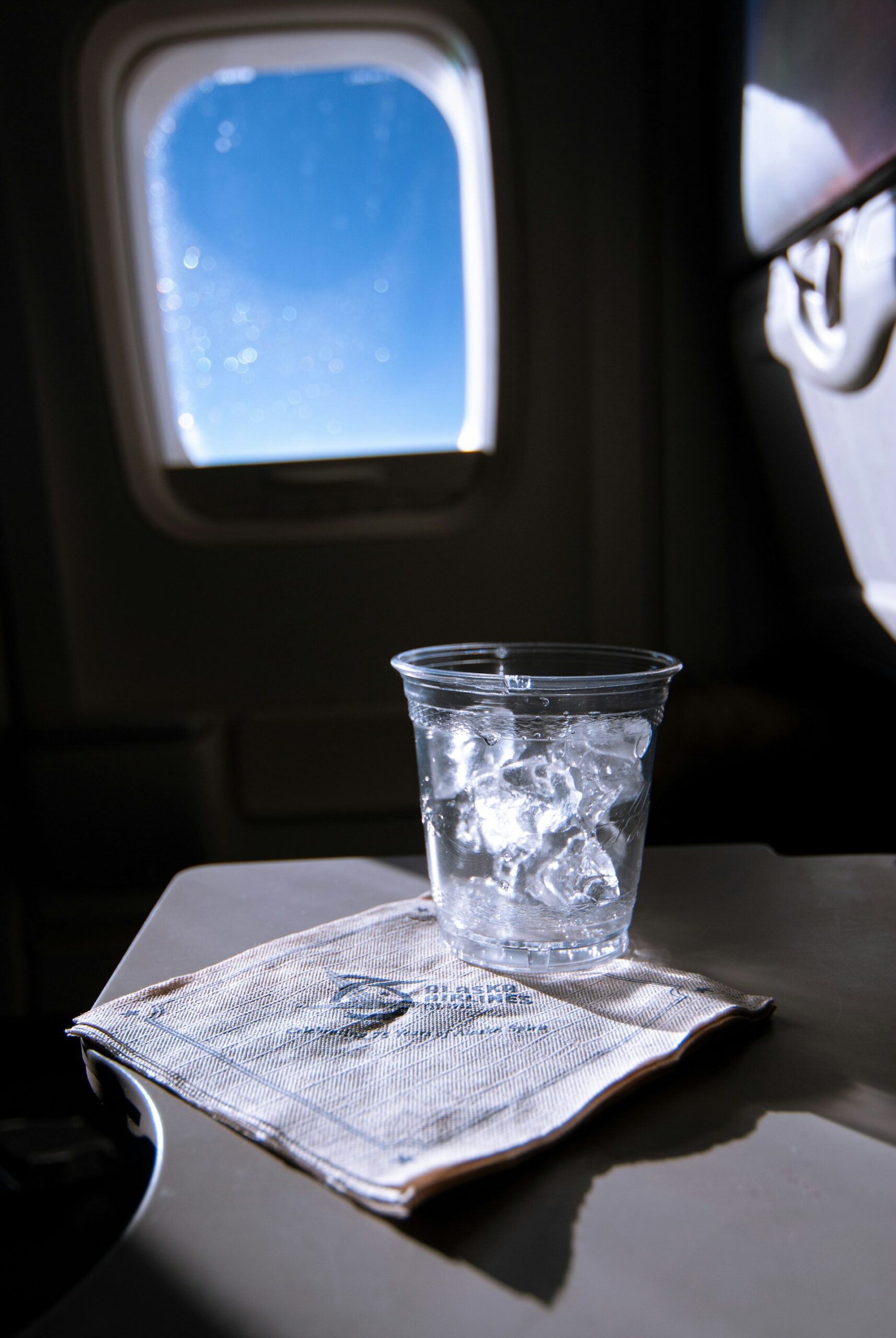
Interestingly and sadly most people are chronically dehydrated at the get go and it is the most common cause for illness and disease. Also our bodies are up to 80% water, so water will always be our top health priority. On the positive side of travel one thing I love about being a passenger is that it’s the only time in life that is your own, no one’s going to tell you what to do but drink, eat and sleep. I love that it’s my time to just enjoy. However it is worth mentioning that on a long-haul flight, cabin air is so dry that respiratory water loss can more than double compared with normal room conditions, thanks to low humidity and pressurised, recirculated air. That’s why you can step off the plane feeling like a wilted plant with a headache, dry eyes, and zero motivation.
Actionable in‑flight hydration habits:
Sip, don’t chug. Aim for small, regular sips—roughly a small glass (150–250 mL) every hour of flight—to keep up with the extra fluid loss from breathing and low humidity.
Move while you drink. Pair each sip with calf pumps, ankle circles, and toe wiggles to help blood flow and reduce fluid pooling in your lower legs, which can increase swelling and discomfort on long flights.
Skip alcohol and go easy on caffeine. Alcohol and high doses of caffeine act as diuretics, worsening dehydration and undermining sleep quality right when your body clock already needs support.
Did you know… that we are moving close to the speed of sound through different climates and altitudes also changes your cabin environment—pressure, oxygen levels, and humidity—compared with being on the ground? Why it matters: slightly lower oxygen and very dry cabin air make your heart and lungs work harder and increase fluid loss, so things like hydration, gentle movement, and smart recovery routines become essential “performance gear” for frequent travelers.
The Time Zone Tango: Reset Your Body Clock
Jet lag happens when your internal clock is still on “home time” while your external world runs on destination time, disrupting melatonin, cortisol, body temperature, and digestive rhythms. The result: poor sleep, low energy, mood swings, and that surreal “where even am I?” feeling.
Science-backed time zone tricks:
Shift your sleep before you fly. For big east–west jumps, start nudging bedtime and wake time by about one hour earlier (for eastbound) or later (for westbound) each day in the few days before departure to reduce the shock.
Chase the right light. Morning daylight at your destination is one of the most powerful signals for resetting your circadian rhythm, helping your body adjust faster than caffeine alone.
Eat and caffeinate on local time. Align meals and coffee with destination time as soon as possible, because your gut and metabolic hormones also run on a clock and respond strongly to food timing.
Did you know…traveling subsonic speeds, you can “gain” or “lose” an entire workday in a single hop—for example, leaving Europe in the afternoon and landing in the Americas in the evening of the same calendar day? Why it matters: this time-warp effect is amazing for squeezing in meetings and adventures, but if you don’t plan your sleep, light exposure, and work blocks, you end up with brain fog, poor decision‑making, and an increased risk of burnout.
LISTEN to the podcast instead of reading:
What Planes & Time Zones Do to Your Body
Here’s a simple snapshot of what’s going on under the hood.
| Jet Lag Symptom | What’s Happening in Your Body | Science Snapshot |
|---|---|---|
| Sleep disruption | Melatonin release no longer matches local light/dark cues | Circadian misalignment alters 24‑hour hormone cycles and sleep patterns |
| Brain fog & fatigue | Low humidity and cabin pressure increase insensible water loss | Respiratory water loss can more than double in cabin-like dry air |
| Gut discomfort | Digestive clocks out of sync with new meal times | Circadian disruption affects motility and digestive hormone rhythms |
| Mood dips & anxiety | Cortisol rhythm becomes irregular, adding stress load | Irregular sleep and stress hormones are linked to higher anxiety and low mood |
Your body is not broken; it’s just trying to run yesterday’s schedule in today’s time zone.
Did you know… with current air travel speeds, it’s now realistic for remote workers to live on one continent and regularly “pop over” to another for conferences, coworking retreats, or visa runs? Why it matters: the lifestyle freedom is huge, but the combination of high-speed travel, time-zone swings, and constant context switching is exactly what drives digital nomad burnout—so understanding the speed of travel helps you respect your limits and design healthier rhythms.
In‑Flight Antics: Sip, Stretch, Snack Smart
You can start reducing jet lag and travel fatigue while you’re still in the air. One thing I like to do is, instead of pushing the call button for a drink, go down to the galley yourself to get a drink, stretch and chat with others. There are lots of things you can do so be creative. But here are some to prompt you, but ultimately do what suits you in your own style.
Hydrate with intention. Regular, moderate water intake helps counter the extra respiratory water losses seen in low‑humidity cabins and supports circulation.
Build a mini movement routine. Simple seat exercises—calf raises, ankle rolls, standing walks when safe—support venous return and reduce the risk of swelling and more serious circulatory issues on long-haul flights.
Choose light, simple foods. Smaller, lighter meals are easier to digest when your circadian and digestive clocks are misaligned, helping reduce bloat and discomfort.
Turn it into a game: every time your hydration alarm goes off, you drink, stretch, and check one body part off your “in‑flight roll call.”
The Hidden Cost: Digital Nomad Burnout
Jet lag fades, but digital nomad burnout creeps in when constant motion becomes your default. Frequent moves, new cultures, shifting time zones, and ongoing remote work responsibilities all add to cognitive and emotional load. Many nomads describe feeling exhausted, unmotivated, and oddly detached from experiences that “should” feel exciting.
Common burnout “beacons” for nomads often creep up on you and it can be simple this like, decision overload. Having endless choices about where to live, work, and eat drain mental energy and fuel anxiety. Another one I can routine rupture is losing stable daily anchors like a regular a pot of tea, your favorite café, gym, or walking route can increase loneliness and disconnection. You can experience motivation drop were work starts to feel heavy, especially for founders even in dream destinations, and you may notice more irritability or emotional numbness.

Pic: Nomad Experiences Nomad Stays
Simple Burnout Buffers for Nomads
You don’t have to give up roaming to protect your mental health—you just need more intentional structure. Again just slow your travel tempo, staying several weeks or a few months in one base reduces decision fatigue, restores routine, and supports deeper social ties, which all help prevent or recover from burnout.
I recommend creating micro‑anchors, repeating the same small rituals—like a morning walk, journaling session, or favorite café workspace—gives your brain a sense of continuity across locations.
It is easier said than done but watch for early warning signs of burnout, be it persistent low mood, sleep problems, and loss of motivation are cues to rest, simplify decisions, and seek support rather than just pushing through. And recognize that nomads need to take time out digital detox and go on vacay too.

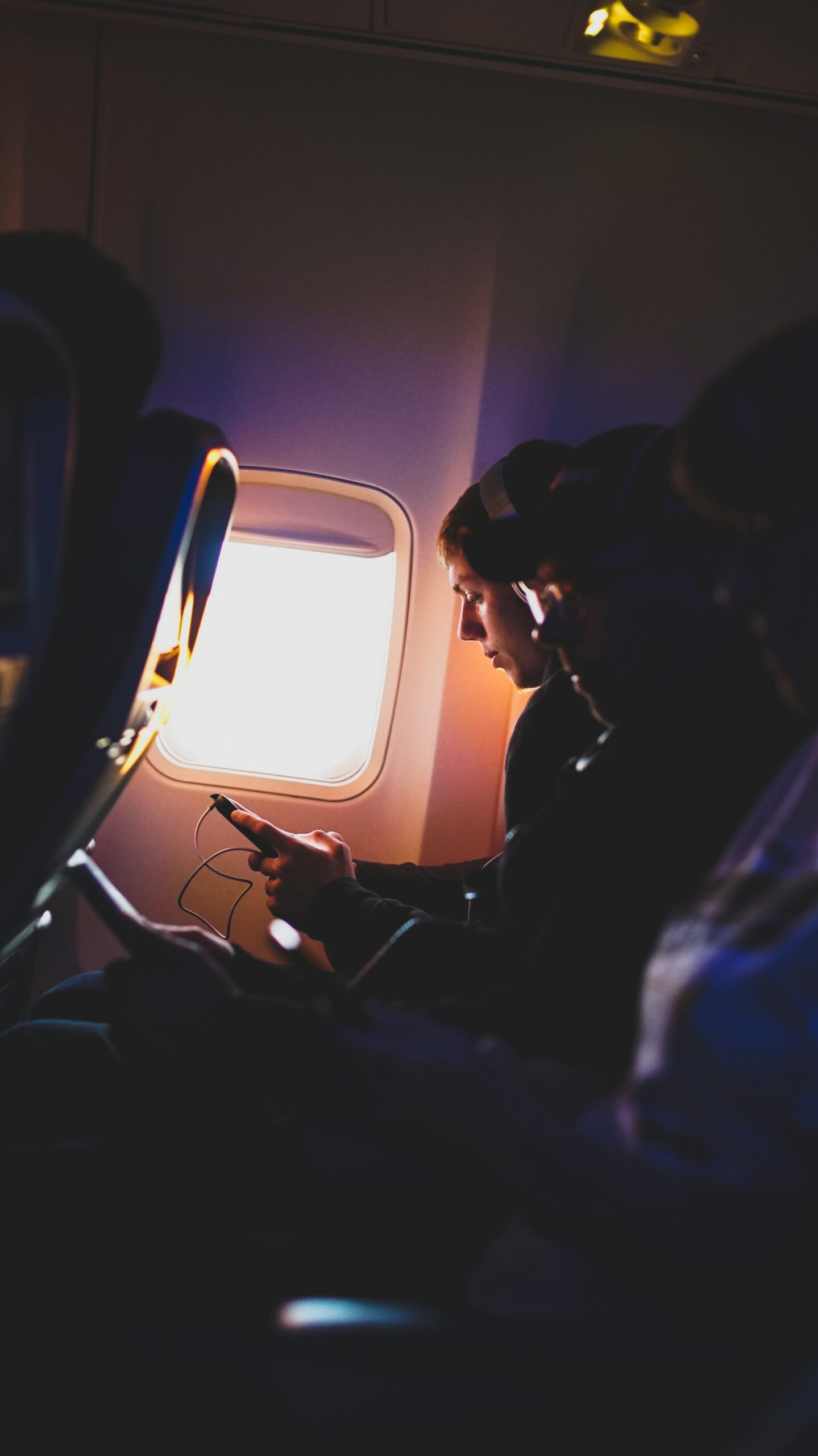
Pic: unsplash
Travel burnout and jet lag often show up together for digital nomads, but they are very different beasts – one is about your body clock, the other about overall overload. Understanding the difference helps you choose the right fix instead of throwing random “wellness hacks” at the wall and hoping something sticks.
What jet lag actually is…
Jet lag is a temporary circadian rhythm disruption that happens when you cross multiple time zones and your internal body clock is no longer aligned with the local day–night cycle. Your brain still thinks it is “home time”, so hormones like melatonin and cortisol, body temperature, digestion, and sleep–wake signals are all timed for the old time zone, not the new one.
Classic jet lag signs include:
-
Trouble falling asleep or staying asleep at the “right” local time.
-
Feeling wired at night and sleepy during the day.
-
Brain fog, slower thinking, irritability, and digestive issues like constipation or reduced appetite.
Key point: jet lag is biological and time-zone–dependent. If you take a long, exhausting trip with no time zone change, you can feel wrecked, but you are not jet-lagged in the clinical sense.

Pic: Unsplash
What travel burnout really is…
Travel burnout (often called travel fatigue in research) is a state of physical, mental, and emotional exhaustion caused by the demands of travel itself – not by your circadian clock being out of sync. It comes from long journeys in cramped conditions, poor sleep, dehydration, constant decision-making, social overload, and the pressure to “be productive” or “make the most” of every new place.
Typical travel burnout signs includes feeling drained, cynical, or emotionally flat about travel you used to enjoy. You may experience headaches, body aches, and general heaviness even if you are technically sleeping enough hours. Some time loss of motivation to explore, create, or work, plus a strong urge to withdraw from social and online commitments.
The key point to take note of here is that travel burnout can happen even if you stay in the same time zone, and it builds over days, weeks, or months of constant movement and stress.
How to tell them apart (and why it matters)
A simple way to separate the two: ask “Did I cross several time zones?” and “Would these symptoms improve if I had one solid, unhurried rest day at my normal schedule?” Jet lag usually:
Peaks in the first few days after a big east–west or west–east jump and then gradually eases as your internal clock re-aligns (roughly 1 time zone per day for many people).
Has a clear timing mismatch (sleepy in meetings, wide awake at 3 a.m.) plus digestive clock weirdness.
Travel burnout usually creeps in over time with repeated trips, work pressure, and lack of real downtime, and can persist even after your sleep schedule is technically synced to local time. Feels like a deep “I can’t keep doing this” fatigue that doesn’t fully resolve after just one good night of sleep.
For digital nomads, this distinction is crucial for jet lag, it calls for circadian tools (light exposure, gradual schedule shifts, strategic naps, sometimes melatonin), while travel burnout needs boundaries (slower travel, real rest days, better sleep hygiene, and emotional recovery from constant change). Treating burnout like “just jet lag” keeps you stuck in a cycle of overworking, over-traveling, and wondering why the latest hack still leaves you exhausted.
Time Zone Tricks: Nomad Ninja Moves
Use these “clock hacks” before, during, and after flights to make transitions smoother. Before you fly gradually shift your sleep schedule, meal timing, and even light exposure (brighter mornings or dimmer evenings) toward your destinations’ pattern.
As you take your seat on the plane change your watch and phone to your destination time zone. Automatically your brain starts thinking in the new time zone. As you fly, especially long haul, try to match your sleep and awake times in line with your destination time. So that when you get off the plane it won’t feel weird.
On arrival, get outside into the light, into nature, avoid heavy naps longer than about 20–30 minutes in the first days, and move your body early to reinforce local time. In your work life, where possible, cluster your main clients or working hours around one “home base” time zone to minimize extreme schedule swings as you travel.
These tactics support your internal clock, hormones, and energy so you can work and explore without feeling permanently jet-lagged.
Pic: Unsplash
Go Barefoot: Grounding & Nature Time
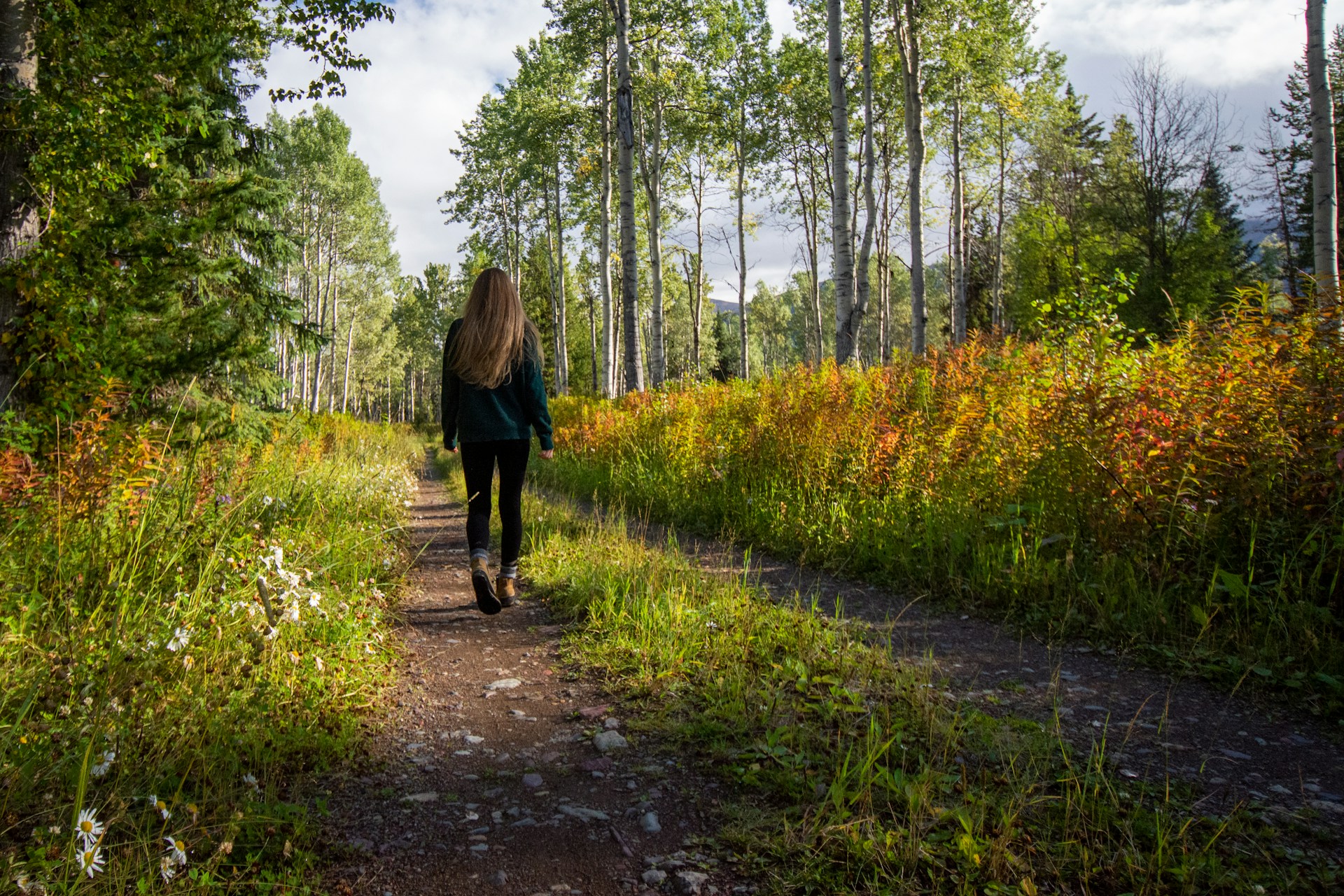
It’s not woo woo, it’s a practical and important part of your health being a traveler or not, because not only do we walk around in shoes all the time, which causes a lot of static electricity; traveling can make it worse. Grounding—direct skin contact with the earth via grass, sand, or soil—has been linked in small studies to changes in cortisol rhythm, better sleep, and improved markers of nervous system balance such as heart rate variability. Researchers suggest that regular grounding may help stabilize stress responses and support circadian regularity.
How to weave grounding into your travels:
Post‑arrival ritual. After you land and drop your bags, spend 10–20 minutes barefoot on grass or sand (hit the beach!), breathing slowly and noticing the contact with the ground.
Balance and body awareness. Barefoot walking also strengthens foot muscles and improves balance and proprioception, which helps you feel more “in your body” after long periods in cramped seats.

Meditation and Micro‑Zen
Plan for short, regular meditation sessions are one of the most accessible tools for travelers to regulate stress, reduce anxiety, and improve emotional resilience. Studies across different groups show that even 5–10 minutes a day of simple breath-focused practice can reduce perceived stress and anxiety levels and improve sleep.
Nomad-friendly mindfulness habits:
Five-minute breath breaks. Close your eyes, breathe in slowly through your nose, and extend the exhale slightly longer than the inhale to cue your parasympathetic “rest and digest” system.
Bedtime wind‑down. A short body scan or guided meditation before sleep helps tell your nervous system that this new place is safe enough to rest, which is crucial when changing beds frequently.
Daily Ritual Ideas That Travel Well
These simple routines are portable, low-cost, and grounded in emerging research on stress, sleep, and mood.
| Daily Nomad Ritual | Why It Helps (Science Angle) | Playful Twist You Can Add |
|---|---|---|
| 10–20 min barefoot grounding | Linked to more regular cortisol patterns and improved HRV in small trials | Call it your daily “earth hug” and wiggle your toes |
| 5–10 min breath meditation | Brief daily practice can reduce stress and anxiety and improve sleep | Narrate it in your head like a nature documentary |
| Morning movement ritual | Consistent movement and light exposure stabilize circadian rhythms | Turn it into a “new city sunrise scouting mission” |
| Slow travel “season” plan | Longer stays cut decision fatigue and support emotional grounding | Brand it as your personal “root camp” |
Roam Free, Feel Grounded
You can absolutely live a high‑mobility, global lifestyle without sacrificing your health, focus, and joy—if you treat your body like a teammate, not an afterthought. Hydration rituals, time zone strategy, grounding, meditation, and slower travel seasons work together to calm your nervous system, steady your mood, and tame jet lag and digital nomad burnout.
Next time you board a plane or cross a border, think of it as a lab for your own “roaming rebel protocol”: sip steadily, stretch often, chase morning light, get your toes in the dirt, and protect your routines like they’re part of your carry‑on. Then invite your readers or community to share their favorite jet lag and burnout hacks so you can keep crowdsourcing what works in the wild.
By Linda A. McCall
Hi, I am Linda, a contemporary digital nomad with an insatiable curiosity of seeing what’s possible in the world. My mission is to build and share practical ways to help you explore more of the world even if it is just taking the first step.






Pingback: Jet Lag and Travel Burnout: Science-Backed Hacks for Digital Nomads – Planet Nomad News
Pingback: Circadian Rhythm for Digital Nomads Working Across Time Zones |
time
Wow. Thank you for this impressive article..