Bhutan has launched a residence permit programme for digital nomads as part of the Gelephu Mindfulness City project
Bhutan has traditionally been one of the most inaccessible countries in the world for long-term stays. The requirement for tourists to pay a tax for each day they stay in the country made long-term residence unrealistic for most remote professionals.
In January 2026, the situation changed.
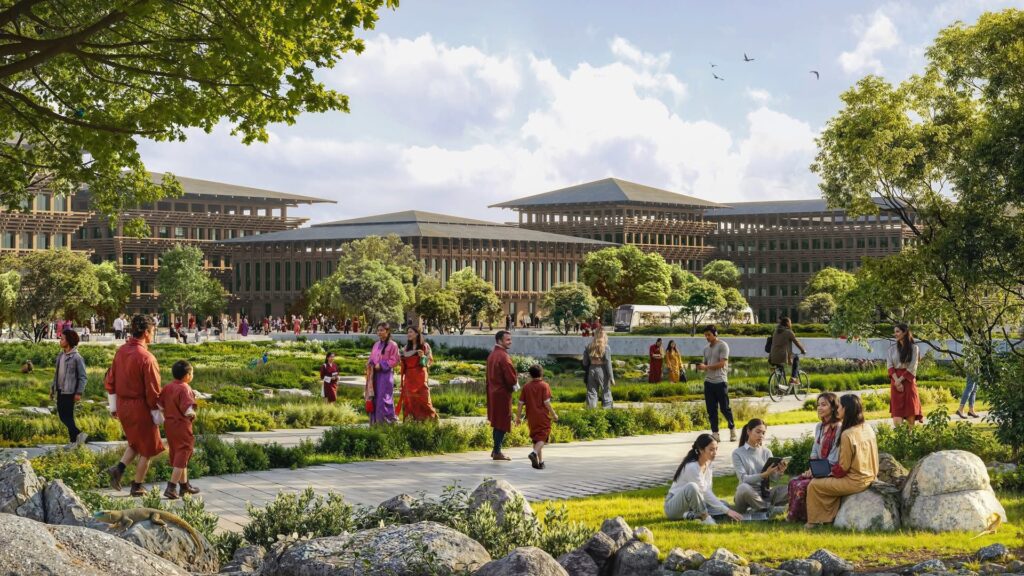
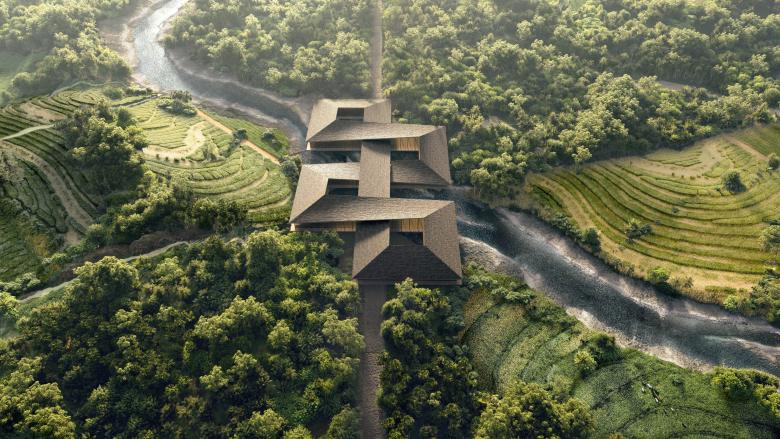
As part of a broader national development initiative, the Bhutanese government launched the Digital Nomad Residence programme, offering renewable residence permits valid for one year. The programme is designed for remote workers, entrepreneurs and professionals who are not tied to a specific place of work. The programme is being implemented as part of the Gelephu Mindfulness City (GMC) project, a new special economic and social zone in southern Bhutan, created as part of the country’s long-term strategy to build a sustainable economic ecosystem that combines mindful living, innovation and international cooperation.
Terms and conditions of residence
Residence permits for digital nomads are issued for 12 months with the possibility of extension. Residence permit holders can live anywhere in Bhutan, not just in Gelephu. Although the programme is administratively linked to the Mindfulness City project in Gelephu, it does not restrict participants to a single place of residence.
One notable difference from most nomad visas is the absence of a minimum income requirement. Instead of proving monthly income, applicants participate in the programme through a mechanism of creating a refundable deposit linked to Bhutan’s developing digital asset system.
According to the official requirements, participants must deposit and maintain a deposit equivalent to $10,000 in the DK Bank of Bhutan in TER, a gold-backed digital asset. TER is specifically designed for use in the GMC ecosystem. In addition, the programme includes an annual participation fee of US$2,800, which covers administrative and accommodation costs.
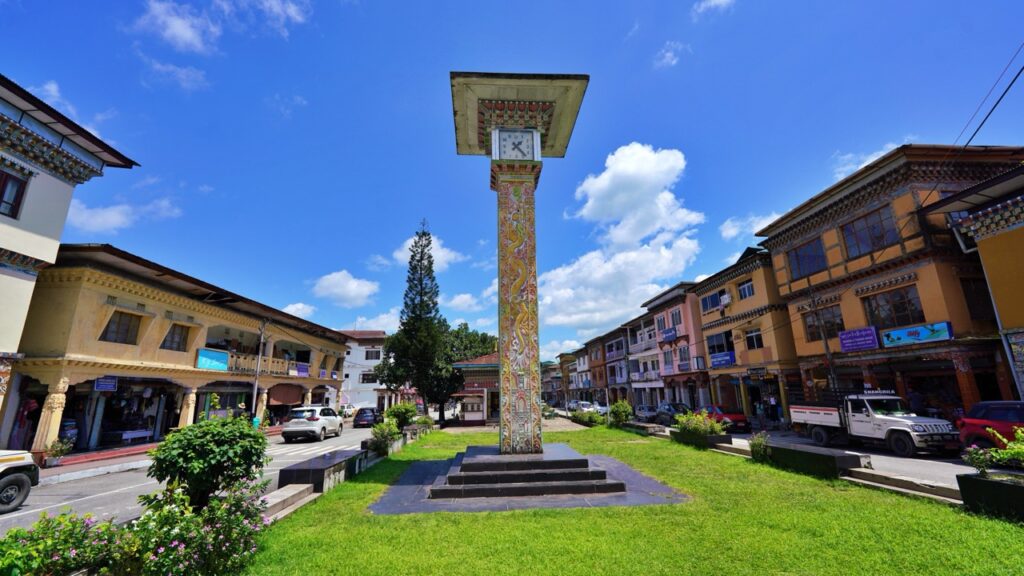
What is the ‘City of Awareness Gelephu’?
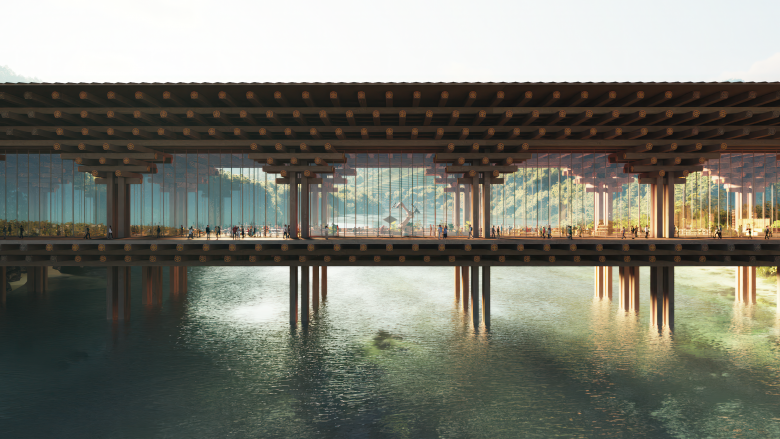
The ‘City of Awareness Gelephu’ is not a private complex or a small experimental village. It is a large-scale national project conceived as a new type of city that combines urban development, environmental conservation, cultural continuity and alternative economic models.
The project is designed to function as a living laboratory where new approaches to governance, sustainable development, technology and conscious entrepreneurship can be tested and refined. This initiative reflects Bhutan’s long-standing philosophy of development, which balances economic growth with gross national happiness rather than focusing solely on GDP.
Who is this residency for?
This programme may be particularly relevant for remote professionals who are interested in a slower pace of life, deeper cultural immersion, and contributing to long-term national experiments.
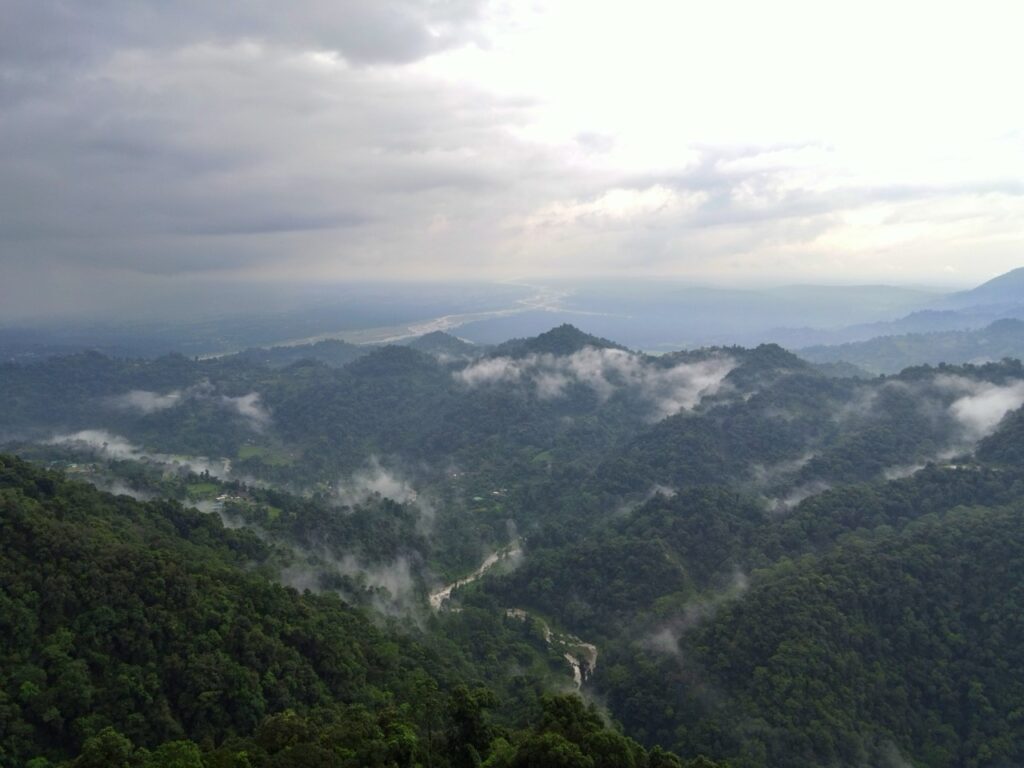
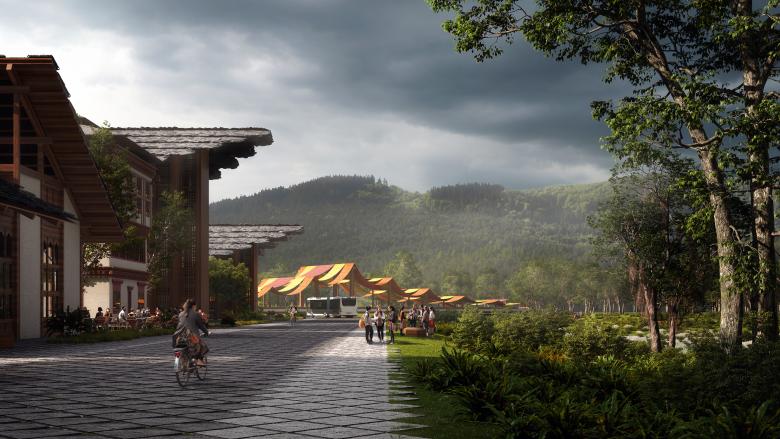
Bhutan offers unique conditions: the picturesque and pristine natural landscapes of the Himalayas, a strong presence of Buddhist and Bon traditions, and a social environment that prioritises happiness and balance between the latest technologies and the tranquillity of nature. For many digital nomads, this balance may be more valuable than the fast pace of life in large metropolises.
If you would like to Learn more Information from the official government website of the residence permit programme
See you there!
Author:
Iskander Gumerbaev. Digital nomad, working in the crypto industry. Researching psychology and Buddhism.
Pictures Provided by Author




Pingback: Bhutan has launched a residence permit programme for digital nomads as part of the Gelephu Mindfulness City project - Planet Nomad News