
Digital Nomad Trends 2026: The Evolution of Work-From-Anywhere Culture
It’s no the future it is here now! It’s not all sunshine and beaches being a digital nomad is a lot more real, hard yards without familiarity, you have to adapt and change, and it’s not what you see in social media. And, we (you and me) are at the forefront of the digital nomad movement. I don’t know about you but I have been living and breathing the lifestyle now for 10 years, and it has evolved from a niche lifestyle choice to a mainstream phenomenon. And 2025 is proving to be a pivotal year for location-independent professionals thanks to the rapid advancements of technology. With these technological advances, the opportunities for people to work from anywhere have expanded. Visa programs are enabling with the governments adapting to the encourage business opportunities, and the shift of workplace attitudes made a permanent shift after the global disruption of 2020 when the world learnt to work from home. The landscape for remote workers has never been more promising and the independent full-time traveller is transforming to the new normal.
The Numbers Tell the Story
Admittedly the numbers change depending on the source of information so I am always very open with my view on the this and recommend that you are too. The growth of digital nomadism continues its upward trajectory. In 2025, approximately 18.1 million Americans identify as digital nomads, representing a steady increase from previous years. The demographic profile of today’s digital nomads is also evolving, with the average age now at 36 years old, and the majority falling between 30-39 years of age. Interestingly, the movement isn’t limited to young professionals—families with children and even pre retirees are embracing this lifestyle.
Reports to date from various sources of gender distribution shows 56% male and 43% female and with the remaining 1% identifying as transgender. I found that this varies with the source of the report and the initial nature of the report so these numbers are not that reliable but give a shallow idea. A large percentage are expats. Also a lot of full time travellers don’t even identify with being a digital nomad even if they are due to age or identify with other descriptions of lifestyles. So it is an increasingly diverse traveller in which we track about 30 variations of lifestyle travellers. All in all the movement gains global traction, due to disruption from war in their countries and political unrest, entrepreneurs to seek better opportunities others with the means to look for other opportunities to discover new places and experiences without being tethered to one place continue to be curious about the world are enabled through the use of technology.
The Visa Revolution: Unprecedented Global Access
Estonia and Croatia was one of the first countries to introduce this Digital Nomad visas and over the years many countries have followed suit with one of the latest being Moldova. It is the most significant development in 2025 being the explosive growth in digital nomad visa programs. Over 70 countries now offer specialised visas for remote workers, a dramatic increase from just a handful a few years ago. This represents a fundamental shift in how governments view remote workers—from potential tax complications to valuable economic contributors.
Emerging Destinations Making Waves
Here are some countries that have launched or are preparing to launch new digital nomad programs in 2025:
Brazil has launched a visa to attract nomads as El Salvador is set to launch its digital nomad visa program in mid-2025, targeting remote professionals with favourable income requirements and healthcare standards. Known for surfing beaches and rapidly developing tech scene, it’s positioning itself as an emerging hotspot for digital workers.
Croatia has enhanced its offering with extended stays of up to 18 months on a single permit, renewable once for a total of three years. Cities like Split, Zadar, and Zagreb are building thriving digital nomad communities with dedicated coworking spaces and networking events.
Popular Destinations visa options
The established favorite destinations continue to dominate for tourists and new nomads tend to go to the safe places until something takes them off the beaten track. Spain, Greece, Thailand, the UAE, Cyprus remain among the most sought-after destinations for nomads, where France, Italy, Spain Thailand still top the list for the tourist. All of these countries offer a compelling combination of favourable visa terms, some offer lower cost of living, reliable internet infrastructure, and established expatriate communities.
For us we took the French Tech Visa option for taking our innovation from Australia to Europe to have assess to a much bigger tourism market. Once our Innovation was approved and they accepted our visa the visa was promised in 2 weeks or max a month and turned out it took over 150 days for Marks and mine was 269 days. So be mindful things don’t always go to plan and you might find yourself doing the Schgan shuffle for a while. So my advice would be take things with a grain of salt and be prepared to be flexible and resilient with your approach to gaining visas. Other times it can go smoothly without hustles, it’s the luck of the draw. Most nomads turn into Expats but some do it as an ongoing lifestyle.
Income requirements vary significantly across destinations, ranging from around $750 to over $5,000 monthly, allowing nomads of different economic levels to find suitable options. The Bahamas and several Caribbean nations offer some of the quickest processing times, making them attractive for those seeking immediate mobility.
The Changing Nature of Digital Nomadism
The stereotype of the young backpacker working from cafes is rapidly becoming outdated. Modern digital nomadism encompasses a spectrum of arrangements, from short-term “workcations” lasting weeks to months, to long-term relocations spanning years. Many nomads never cross international borders, choosing instead to explore opportunities within their home country.
This diversification reflects the maturation of the movement. Companies are increasingly supportive of flexible work arrangements, and many actively embrace nomadic employees. The concept of location independence is no longer viewed as a hindrance to career advancement but rather as a valuable skill in an increasingly global economy.
Technology & Innovative Advances
The recognition for infrastructure supporting digital nomads continues to improve rapidly. Stay owners recognising the opportunity and hotels converting to co-living spaces are appearing in major nomad destinations, offering purpose-built accommodations that combine living quarters with professional workspaces and community areas. These developments address one of the key challenges nomads face: finding reliable internet and professional environments while maintaining work-life balance.
Connectivity solutions have also evolved significantly. Modern nomads have access to global SIM cards and eSIMs are becoming the new normal as is satellite internet options, and portable hotspot devices that ensure reliable internet access regardless of location. With technologies biggest focus is on mobility. This technological backbone enables nomads to work from increasingly remote and exotic locations without sacrificing professional productivity.

Economic Impact & Recognition
Governments are increasingly recognizing the economic value that digital nomads bring to local economies. Remote workers typically spend money on accommodation, food, local services, and experiences while contributing minimal strain to public services. This has led to a competitive environment where countries vie to attract nomads through favorable visa terms, tax incentives, and infrastructure investments.
The economic impact is particularly significant in developing nations, where nomad spending power can substantially boost local economies. Countries like Portugal, Mexico, and Thailand have seen entire neighbourhoods transform to cater to international remote workers, creating new industries and employment opportunities for locals.
Challenges & Considerations
Despite the positive trends, challenges remain. Tax compliance continues to be complex, with nomads needing to navigate multiple jurisdictions’ requirements. Healthcare access and insurance coverage across borders remain concerns, though specialised nomad insurance products are emerging to address these gaps.
The sustainability of nomadic lifestyles is also under scrutiny, with increased awareness of carbon footprints and the impact of frequent travel on climate change. Many nomads are responding by choosing longer stays in fewer destinations and prioritizing overland travel when possible.
Looking Ahead:Your Roadmap to Travel and Work in 2026
As we move from 2025 into 2026, technology and remote work are transforming how we live and travel. Digital nomadism is shifting from a trend to a permanent feature of the global workforce. Here’s how to prepare for this new era and what to expect in the year ahead.
What 2026 Will Look Like for Remote Workers:
More Countries Welcome Digital Nomads: The success of digital nomad visa programs is inspiring more nations to create their own offerings, making global mobility more accessible than ever.
AI Changes the Game: From AI assistants handling routine tasks to automated travel planning, technology will make location-independent work even more seamless.
The Office vs. Freedom Debate: While some governments and companies push for return-to-office mandates, others are creating innovative hybrid models. Companies are learning to build engaging office cultures that create genuine excitement about in-person collaboration while supporting remote teams.
Economic Flexibility: Businesses are using remote work to navigate economic uncertainty, while workers gain access to lower cost-of-living destinations.
Community Growth: Digital nomad festivals and co-working spaces are multiplying, creating vibrant communities that connect remote workers worldwide.
How to Position Yourself for 2026
It’s easy to be a little overwhelmed with where you can position yourself in all these choices so here is a suggestion to keep it simple and back to basics:
Step 1: Research Visa Options Now
Explore digital nomad visa programs in countries that interest you or better still that suit your situation and that maynot be a digital nomad visa and often it is not. Popular destinations include Portugal, Spain, Croatia, Thailand, and dozens of others launching new programs. Start your applications early as processing times vary.
Step 2: Build Your Remote-Ready Skill Set
Focus on skills that translate well to remote work: digital marketing, software development, design, consulting, writing, or online education. Learn to use AI tools that will make you more efficient and valuable.
Step 3: Test the Waters
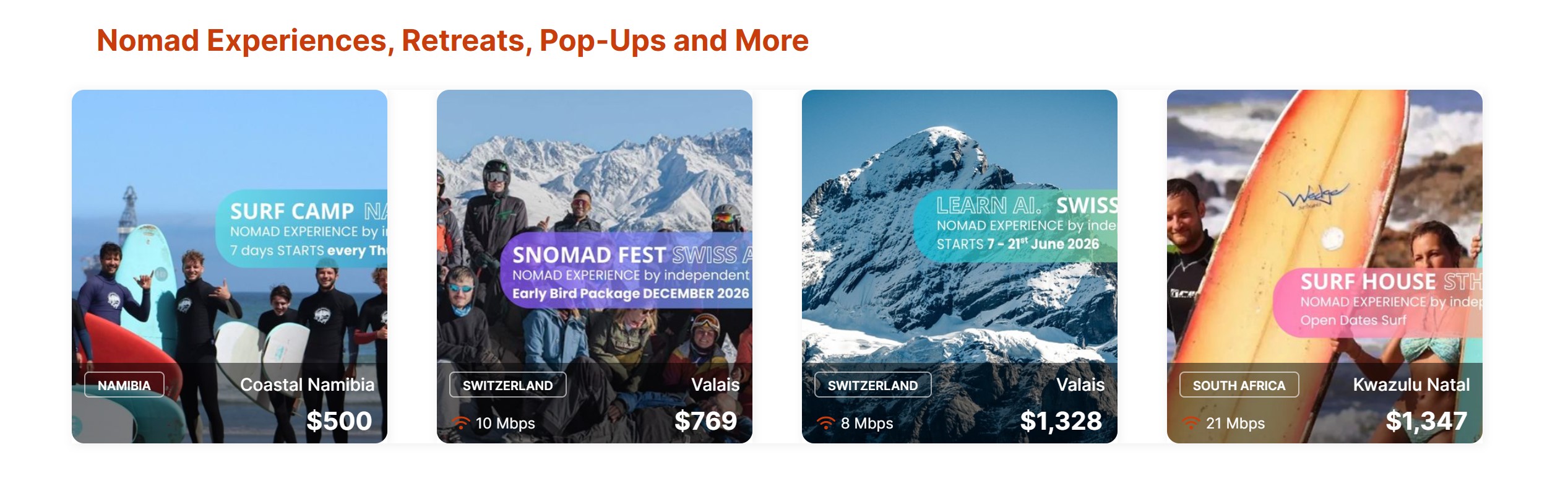
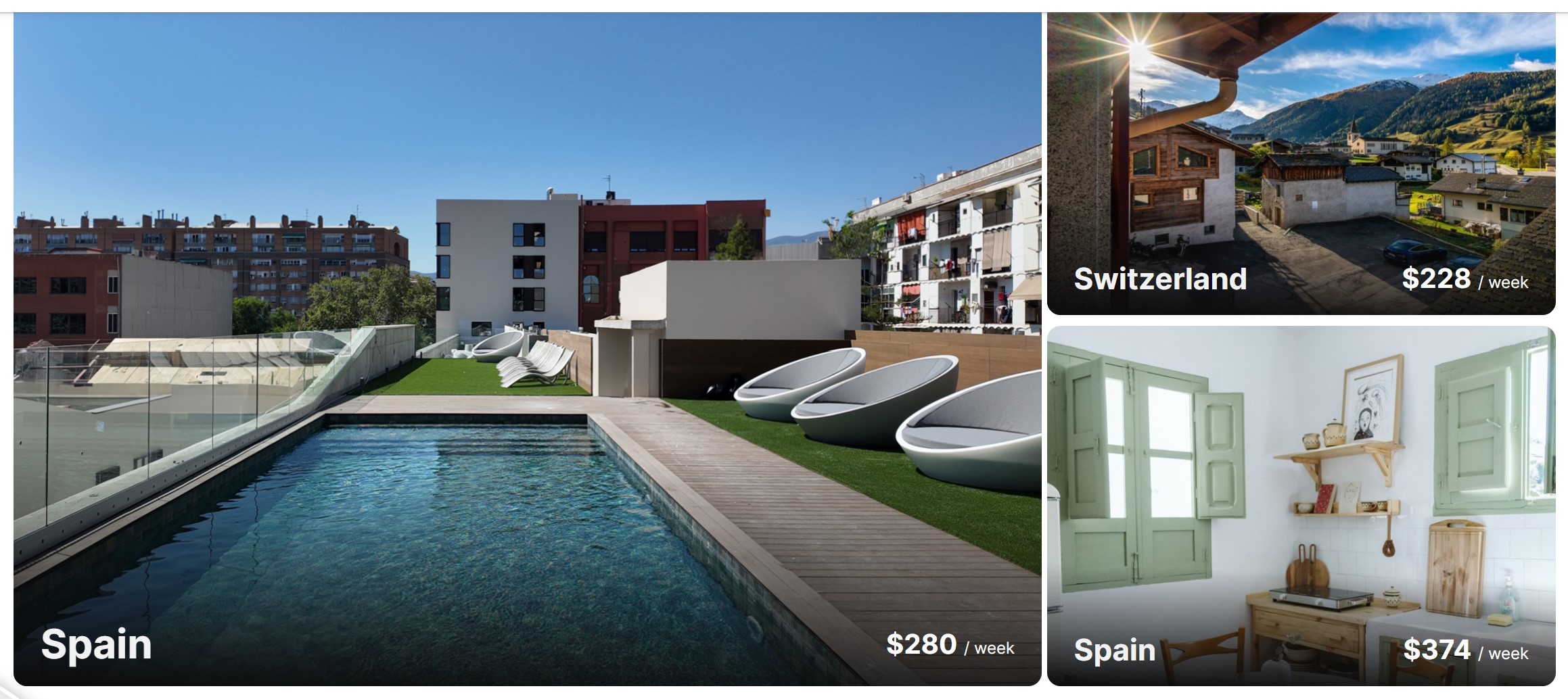
Before committing fully, try a one-month stay in a new location. Use platforms like Nomad Stays to find affordable, digital-nomad-ready accommodation with reliable WiFi and comfortable workspaces.
Step 4: Connect with the Community
Join digital nomad groups online, attend festivals, and participate in co-working spaces. These connections provide support, friendship, and professional opportunities.
Step 5: Plan for Sustainability
Think long-term about your finances, health insurance, taxes, and personal well-being. The nomad lifestyle requires more planning than traditional work, but the infrastructure supporting it has never been stronger.
The Bottom Line
Whether you’re a seasoned nomad or considering your first location-independent adventure, 2026 offers unprecedented opportunities to work from anywhere. The world is more open to remote workers than ever before, and the support systems—from visa programs to accommodation platforms—have matured significantly.
The foundation is being laid for a truly global workforce that transcends traditional geographic boundaries. The question isn’t whether this shift will happen, but whether you’ll be part of it.
By Linda McCall – Cofounder Nomad Stays, global adventure seeker, contemporary nomad for over 10 years “she who has the most fun wins”




Pingback: Decoding Nomads Prices: A Comprehensive Guide to Digital Nomad Expenses
Pingback: Digital Nomad Trends 2026: The Evolution of Work-From-Anywhere Culture - Planet Nomad News
Pingback: “Digital Nomad Lifestyle Trends 2026: How Remote Work Is Redefining Travel and Living” – Digi Trone
Pingback: Guide to Digital Nomads in 2026: Trends, Top Destinations & Work Lifestyle - Freelancers U.A.E.