Building Your Adaptability Muscle: The Real Superpower of Thriving as a Digital Nomad
Every digital nomad starts their journey chasing freedom — Ahh but Freedom takes responsibility and the ability to adapt, to understand what it means for you to have that freedom, how do you know when you have it ow to do adapt your life to creating more of it? Is it the dream of working from anywhere, meeting new people, freedom to move, earning money online and designing life on your own terms to bring the type of freedom you desire. But the real secret to making the lifestyle of a digital nomad sustainable isn’t just good Wi-Fi or flexibility in schedule… it’s adaptability. The team at Nomad Stays has seen thousands of remote professionals and entrepreneurs step into this lifestyle, and one thing separates those who survive from those who thrive: they build the muscle of adaptability — mentally, emotionally, spiritually, and even technologically. Let’s jump in and find out how you can too, I’ll keep it short and sharp.
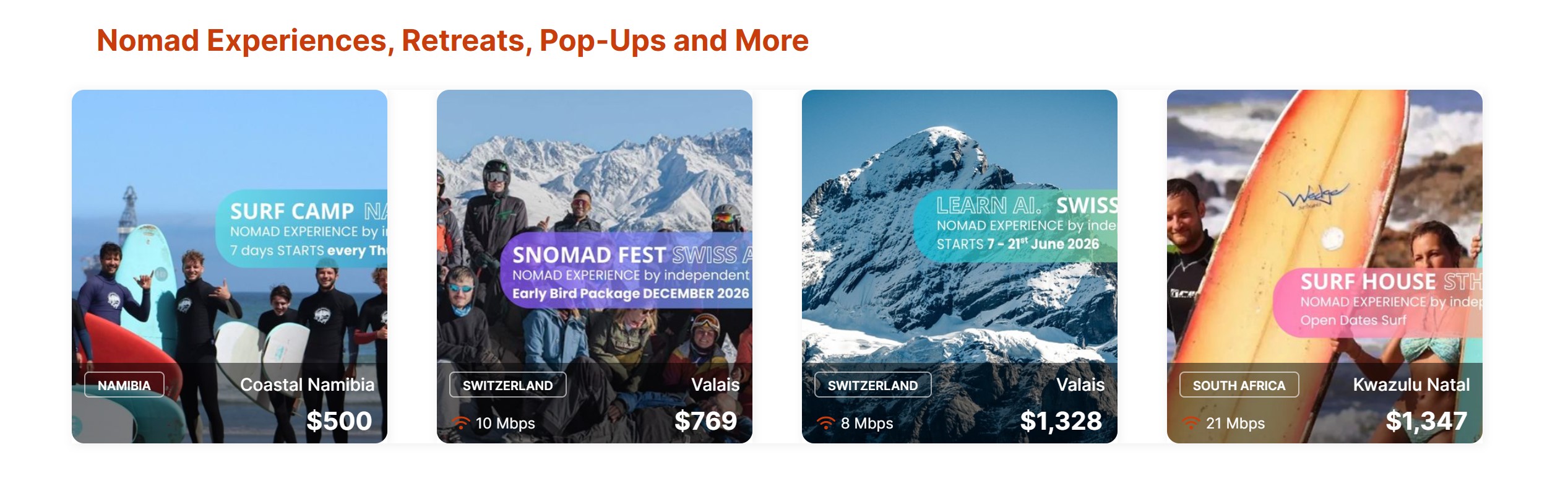
Pic: Nomad Experiences
Why Adaptability Is Your Ultimate Passport
The world is changing faster than ever. New tech reshapes how we work, economies fluctuating like crazy, the new normal is instability and the very definition of “home” is being rewritten. For digital nomads and remote workers, this is both a challenge and a golden opportunity. It giving us all an opportunity to rewrite the rules on how we educate our kids allowing the world to be the classroom to allowing us to be more agile with the ability to move across borders or simply work online with a global company within one CRM and to work with people we have never met in person.
Adaptability is the soft skill that helps you float instead of fight when life shifts directions. It’s what keeps you calm in airport queues, creative during Wi-Fi breakdowns, and curious in front of cultural surprises. But more importantly, adaptability lets you embrace the new — from travel experiences to emerging tools like AI that can revolutionize how you live and work.
Instead of resisting change, you begin to learn how to ride it.
 Learning to Adapt: Tech, Tools, and the Future
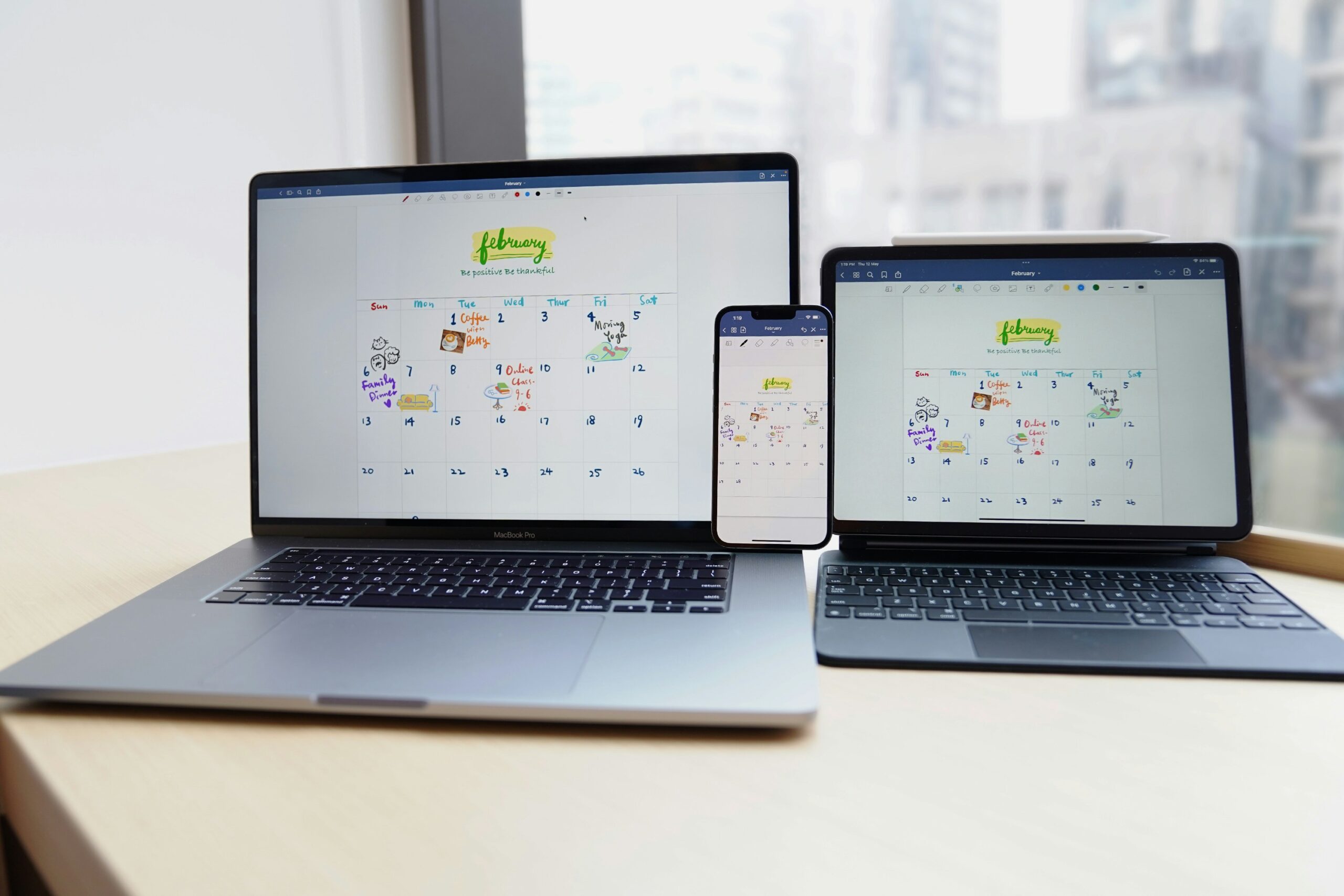
Adaptability isn’t just emotional — it’s also digital. In 2026, nomads who lean into AI tools, agents, and micro-apps are finding new ways to work smarter, automate logistics, and free up time for adventure.
Here’s how to stay ahead of the curve:
Use AI as your co-pilot (literally with microsoft copilot). From content creation and planning itineraries to managing client workflows, AI tools can help streamline repetitive tasks, saving precious hours for exploration and rest.
Understand the difference between agents and AI tools. Agents are dynamic, learning systems that can act on your behalf (imagine an assistant who adjusts your travel route or scouting new clients), while tools do specific tasks. Learning both helps you extend your productivity and creativity.
Experiment with building your own micro-apps with Vibe coding. Many nomads are now building or customising micro tools — small, tailored apps that automate invoices, track expenses, translate languages, or manage time zones. You don’t need to be a coder; you just need curiosity and patience.
By embracing tech instead of fearing it taking your job, learn to build with it, you can turn your laptop into a personal power centre and use the tools to adapt at the pace you need and know that your game plan starts with community, connecting with people as it always has that part has not changed infect it will get even more important as the future of tech evolves, people will crave people. Because guess what! People like people generally and they prefer to talk to people and get recommendations from people. It’s a no brainer really but you do have to continue to learn, listen and implement change and adapt to it. Change is where the adventure lives!
The Inner Work of Adaptability
As you probably already know is, that true adaptability goes beyond skills — it’s about balance. As nomads, we often face internal shifts that can feel as challenging as the external ones.
To thrive, adapt on all levels:
Spiritually — Stay grounded. Whether through meditation, journaling, or time in nature, or all of these combined, create moments of stillness to process change and find perspective.
Mentally — Reframe challenges as lessons. When things go “wrong,” they often open paths you couldn’t have seen otherwise.
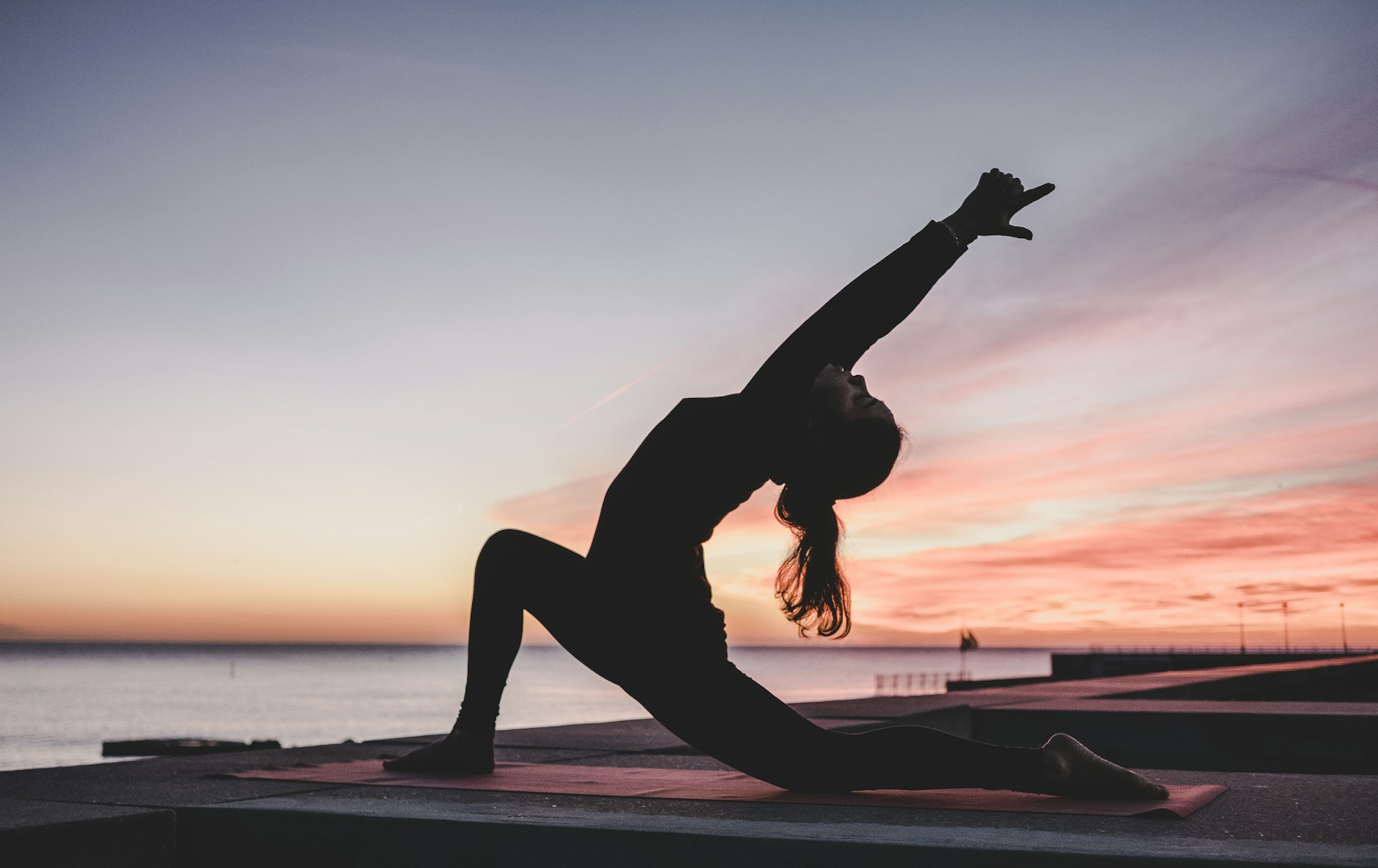
Physically — Keep your energy adaptable too. Stay active — yoga in a coworking space, a beach run at sunset, or even mindful walking between cafés. Movement keeps your mind flowing. Even embrace new food cultures and learn about it, embrace the language and understand it from the core, the history through struggles to triumpts.
Adaptability is your core strength, it’s a mindset of flexibility. It’s not just being flexible when forced- it’s choosing to stay open before you have to. Adaptability is the mindset of allowing without losing direction. These are a few layers to break down the Spiritual, mental and physical: It is about allowing change not clinging to how things should be, and letting go of rigidity, plans identities and timelines. However, within that staying responsive and reading reality as it is, not as you hoped. So Maintaining your goal of intention and over all well-ness for yourself and others helps the process.
Beating Loneliness Through Connection
You know I have always said that loneliness is in your head. It’s a feeling of indifference. One of the biggest unseen challenges for nomads isn’t motion — it’s isolation and disconnection. Traveling constantly can lead to loneliness if you let it, simply because you are craving the ease of connecting with things, people and places you know, especially when routines and communities shift with every location. But adaptability helps here too. Instead of resisting solitude, learn to work with it:
Connect intentionally. Join coworking hubs, local meetups, or digital nomad communities (yep, Nomad Stays is full of them!). Most of all be comfortable in your own space (find your own meaningful spiritual connection). I have travelled the world and I never feel alone. Why? Because I always connect Spiritually through meditation, prayer and I have a strong belief we are all one. But everyone has their own beliefs. If you have none then start a new practice that helps you connect spiritually the way that resonates with you. I recommend a book to start with is My Big TOE (Theory Of Everything) by Thomas Campbell.
Practice “micro-connections.” A chat with a café owner, a yoga teacher, or locals at a market — simple, human interactions can keep you emotionally grounded. It’s starts with a simple smile and giving first.
How to Build Your Adaptability Muscle
You can think of adaptability like fitness — small, consistent reps that make you stronger:
Stay curious. This for me is core. Try new tech tools, explore different work routines, and stay open to collaboration. Stay open to new opportunities.
Learn every day. Commit to learning one new skill — AI-related or otherwise — that helps you work or live smarter, stay connected with your industry and how it is shifting. I love connecting with people on LinkedIn and having a virtual coffee across continents. I am on LinkedIn daily learn creating and connecting.
Reflect and recalibrate. Take time weekly to assess what’s working and what’s not.
Simplify often. The lighter your load, the easier it is to pivot — in travel, in business, and in spirit.
Nurture community. Surround yourself with people and platforms that energize your adaptability, not drain it.
Leaning Into Adventure
Adaptability is not just about coping — it’s about thriving. It’s choosing to see change as an adventure rather than a threat. Every new tool, country, or challenge becomes part of your evolution.
The digital nomad journey is not just a career choice; it’s a lifestyle of continuous learning, deep connection, and creative renewal. And the best part? The more adaptable you become, the freer — and more alive — you feel.
So as you travel, work, and grow, remember this: adaptability isn’t just how we survive change. It’s how we dance with it.
Ready to strengthen your adaptability muscle?
At Nomad Stays, we believe that thriving as a digital nomad starts with staying curious, connected, and adaptable. Explore flexible accommodation options, meet global communities, and let your next adventure teach you how to grow — not just as a professional, but as a human being.
Created by Linda A. McCall with AI Chat GPT, Perplexity, and Grok



Pingback: Building Your Adaptability Muscle: The Real Superpower of Thriving as a Digital Nomad - Planet Nomad News